
Vancouver to Kelowna: Distance, Drive Time, and the Okanagan Interior Run
Four hundred kilometres from Pacific rain to Okanagan sun — four hours when the Coquihalla cooperates and wildfire smoke stays off the map.
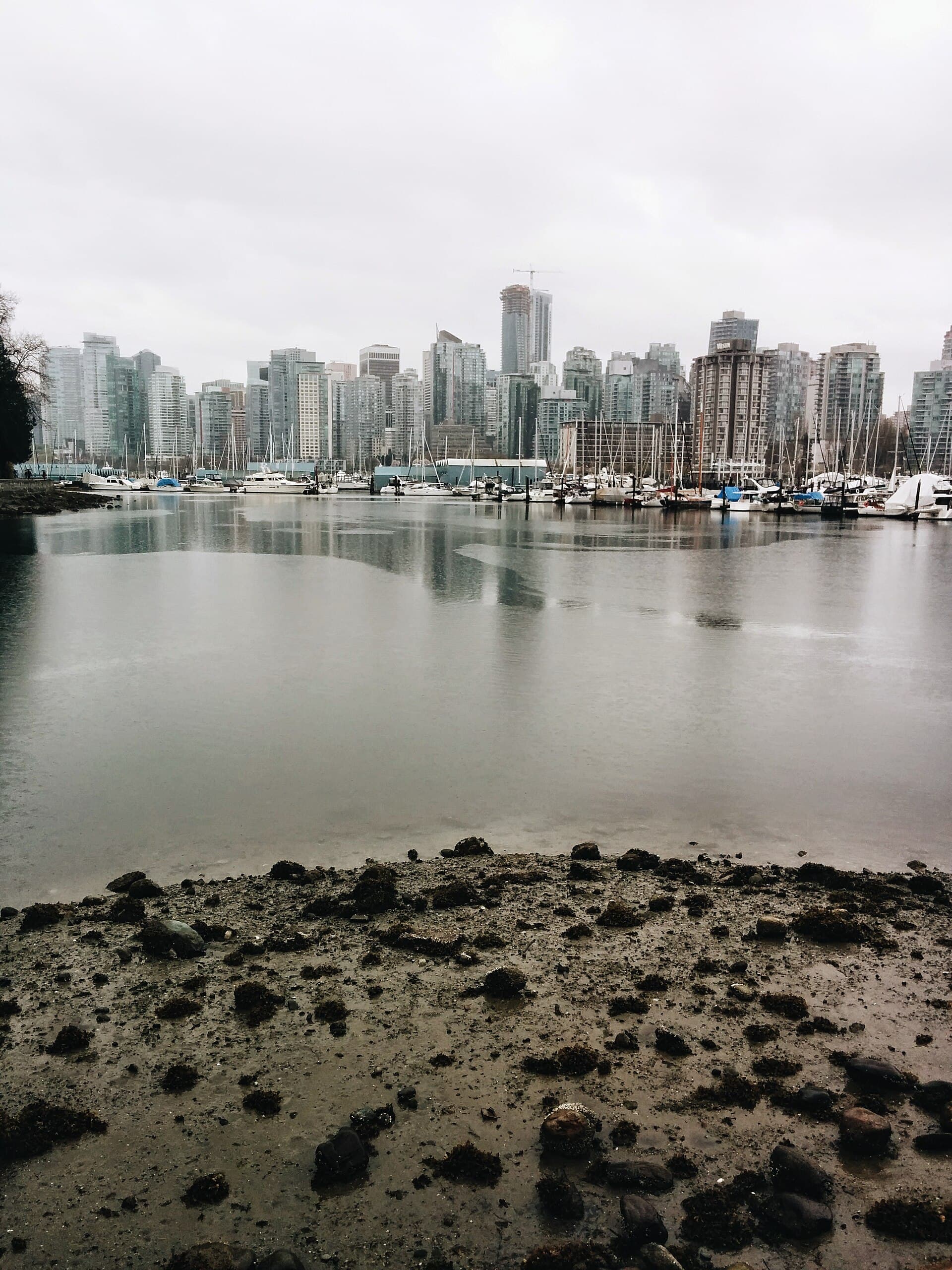
Vancouver to Kelowna is the Interior escape Lower Mainland households book in May and dread in February when DriveBC mentions Coquihalla closures.
About 250 miles and 4 to 5 hours via the Coquihalla — longer on August long weekends when half of Richmond decided Okanagan wine country sounded perfect.
Chinese Canadian, Filipino Canadian, and Punjabi Canadian families in Surrey and Vancouver do this run for relatives in the Okanagan, lake weekends, and orchard trips — the car needs winter tires in the trunk season and strong AC in July.
Leave before 6 a.m. on a Saturday and the Coquihalla feels like a highway. Leave Friday at 4 p.m. and Hope becomes both bottleneck and morale event.
Distance and drive time
- How far is Vancouver from Kelowna?
DriveBC and mapping services plot about 390–400 km from Vancouver to Kelowna via the Coquihalla connector — the fast interior route.
Starting from Richmond or Surrey changes merge time on Highway 1 more than total kilometres.
- ·Penticton adds 50 km south of Kelowna.
- ·Scenic Highway 3 (Crowsnest) alternate adds time — rarely faster.
- How long does it take to drive from Vancouver to Kelowna?
Pure driving time in summer conditions runs about 4 to 4.5 hours.
Hope stops, Merritt fuel, and Kelowna check-in add another 45–75 minutes door-to-door.
- ·Friday 3–7 p.m. eastbound from Vancouver stacks on Highway 1.
- ·DriveBC wildfire or avalanche closures can force long detours — check before departure.
- What is the best route from Vancouver to Kelowna?
British Columbia requires winter tires or chains on many mountain routes October 1 through April 30 — verify before winter trips.
Wildfire season smoke reduces visibility — pad time and check DriveBC.
- ·Fastest: Coquihalla connector through Merritt to Kelowna.
- ·Scenic alternate: Highway 3 Crowsnest — longer, lower elevation in some sections.
- Where should you stop on the Vancouver to Kelowna drive?
Chinese Canadian and Filipino Canadian households in Richmond often stack a pre-trip dim sum with Kelowna relatives dinner.
EV drivers should DC-fast-charge in Hope, Merritt, or Kelowna — mountain grades eat buffer fast.
- ·Hope downtown — 20–30 minutes.
- ·Kelowna City Park waterfront — 45–60 minutes.
- Is the Coquihalla safe in winter?
Winter tires are legally required on the route during designated dates — rental cars must be verified.
EV range drops 20–30% in cold mountain driving — plan Merritt charging.
- ·Check DriveBC.ca before every winter departure.
- ·Carry emergency kit and full tank or charge before the pass.
Corridor stops worth planning
Verified landmarks travelers use on this route. Confirm hours before you detour.
Lower Mainland to Hope
Highway 1 east through Fraser Valley sets departure tone. Richmond and Surrey merges stack Friday afternoons.
Fuel in Abbotsford or Hope before the Coquihalla climb.
- Richmond / Highway 99 merge. Pre-trip dim sum territory — many households eat before they drive.Recommended time: 60–90 minutes if meal first
- Hope BC downtown. Last Fraser Valley town before mountain passes — chainsaw carving tourism and fuel.Recommended time: 20–30 minutes
Coquihalla through Merritt
The Coquihalla is fast when open and memorable when not. Summer wildfire smoke and winter snow both demand DriveBC checks.
Merritt is the interior hub for fuel and food reset.
- Coquihalla Summit viewpoint areas. Mountain pass driving — no long stops unless pullouts are clear and safe.Recommended time: Photo stop only — 5–10 minutes
- Merritt downtown. Nicola Valley service centre — coffee, fuel, and leg stretch.Recommended time: 20–30 minutes
Kelowna and Okanagan arrival
Kelowna spreads along Okanagan Lake — know your hotel or winery exit before you overshoot.
Summer waterfront parking fills — arrive early or book ahead.
- Kelowna City Park / waterfront. Lakefront park and beach — walkable arrival reset before check-in.Recommended time: 45–60 minutesGVA region guide →
- Penticton detour (south on BC-97). Fruit stands and lake beaches — add 45–60 minutes if Okanagan tour continues south.Recommended time: 60–90 minutes
Who is in the car?
The same highway produces completely different trips depending on the cast.
Best departure time
- ·Saturday before 6 a.m. from Vancouver for lighter Highway 1 and Coquihalla traffic
- ·Avoid Friday 3–7 p.m. eastbound unless you enjoy Fraser Valley brake lights
- ·Check DriveBC for Coquihalla status every trip November through April
Ideal vehicle type
- ·AWD crossover with winter tires for cold months — BC law expects proper rubber
- ·EV: Merritt or Hope DC stop almost mandatory unless long-range and full start
- ·Roof cargo for wine purchases — Okanagan weekends rarely leave trunks empty
Which car should you take?
This corridor rewards comfort, cargo, and patience over horsepower. Match the car to passengers and season.
| Trip personality | Bring (or rent) | Why |
|---|---|---|
| Okanagan wine weekend | Comfortable two-row with cargo cover | Bottles, ice chest, and passengers who spelunked three wineries |
| Family lake trip | Three-row SUV | Kids, floaties, and relatives meeting at the cabin |
| Winter ski detour to Big White | AWD with winter tires | Side trip east from Kelowna adds mountain driving |
Pick your version of the drive
Same corridor, different priorities. Pick the version that matches your group before anyone opens Maps.
The Coquihalla Fast Run
Highway 1 to Hope, Coquihalla to Merritt, BC-97 to Kelowna with one Merritt stop. Best when check-in is 4 p.m. and daylight matters.
Efficiency over fruit-stand detours.
- →Hope fuel — 15 min
- →Merritt coffee — 20 min
- →Kelowna waterfront
The Penticton Extension
Continue south from Kelowna to Penticton for orchards and a second lake vibe. Adds 60–90 minutes plus stop time.
Popular when relatives live south of Kelowna proper.
- →Penticton fruit stands — 30–45 min
- →Skaha Lake beach — 45–60 min
- →Return or overnight Penticton
EV notes for this corridor
At roughly 400 km with mountain grades, most EVs need one DC fast-charging stop in Hope, Merritt, or Kelowna unless you start above 95%. Coquihalla climbs and summer AC cut range 15–25%; winter cold adds more. Verify Flo and BC Hydro EV network status before you rely on a single Merritt site.
Richmond and Vancouver condo drivers without Level 2 at home should charge fully before crossing the Fraser Valley. Run our EV vs gas road trip calculator with mountain grade assumptions before the household picks the EV over the RAV4 Hybrid for Okanagan weekends.
Compare fuel vs charging on this corridor
Run your miles and local rates before you pick the weekend car.
The bottom line
This trip is won in the departure window and the planned stop, not the horsepower spec.
If winter timing overlaps your drive, read our winter EV ownership guide before you assume summer range.