San Francisco to Los Angeles: Distance, Drive Time, and the California Coast Decision
Six hours on I-5 if the Central Valley cooperates. Ten hours on Highway 1 if Big Sur weather cooperates. Rarely both on the same weekend — and your relatives will have opinions about which one you picked.
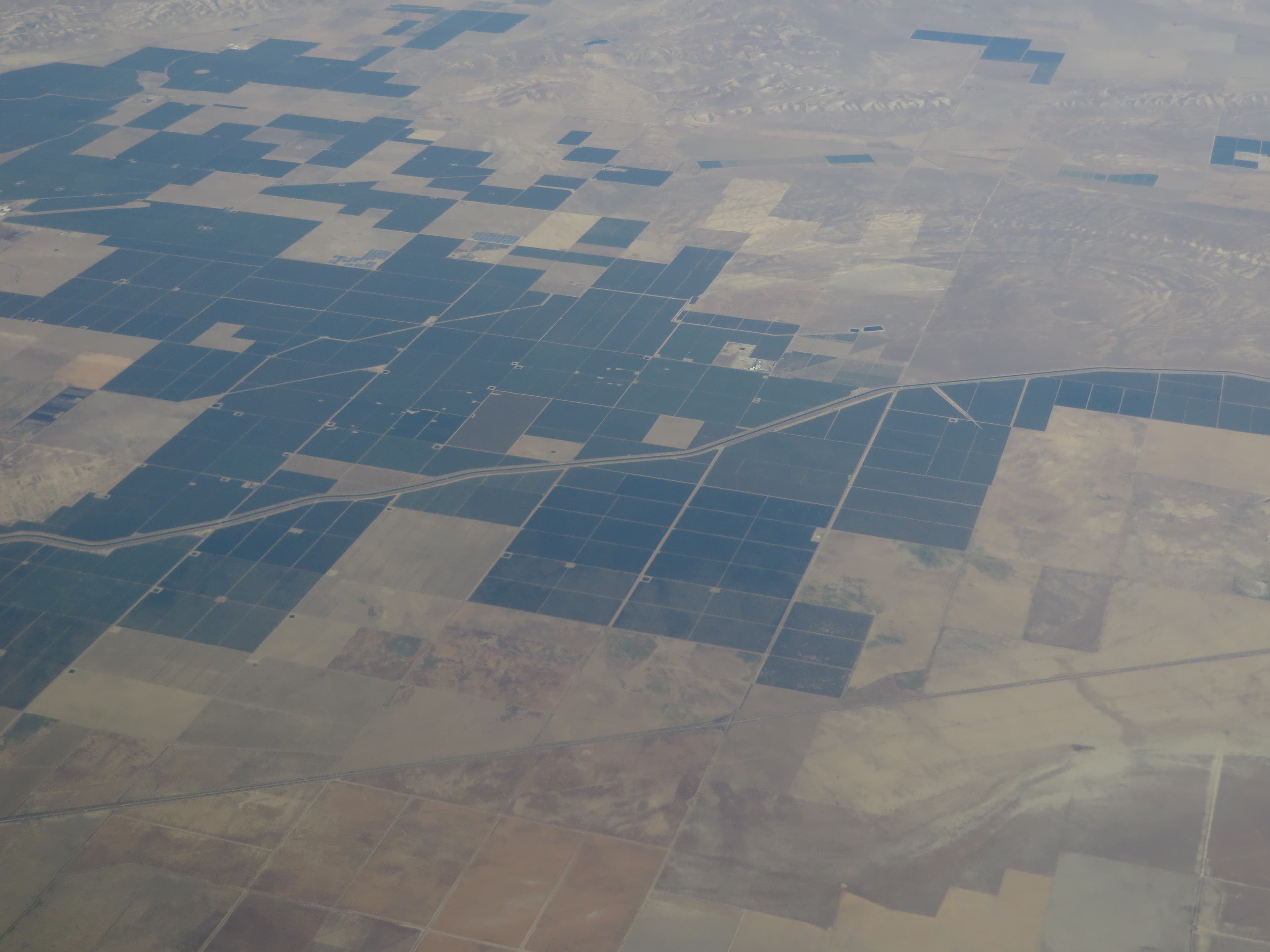
San Francisco to Los Angeles is the California drive everyone thinks they know until the Grapevine, Big Sur fog, or Sunday LA traffic rewrites the schedule.
About 382 miles on I-5 or 420-plus on the coast. Six hours if the Central Valley cooperates. Ten if you stop for Bixby Bridge photos and clam chowder in Cambria — and you should not use the same hero photo for both stories.
Bay Area families with LA relatives, USC or UCLA visits, and San Gabriel Valley food runs do this corridor constantly. Chinese American and Filipino American households often stack dim sum in the Sunset or Richmond, Central Valley In-N-Out debates, and Koreatown or Monterey Park arrival dinner into one migration.
Leave before 7 a.m. Saturday and I-5 feels possible. Leave Friday at 4 p.m. and you donate an hour to Tracy merge anxiety before you have left NorCal emotionally.
Distance and drive time
- How far is San Francisco from Los Angeles?
Mapping services plot about 380 to 385 miles on I-5 through Sacramento, the Westside Freeway, and the Grapevine.
US-101 to Highway 1 through Big Sur adds miles and time but delivers the classic California coast drive.
- ·Starting from Oakland or San Jose subtracts or adds a few miles versus downtown SF.
- ·LA basin destination matters: Santa Monica versus downtown changes the last hour more than the first five.
- How long does it take to drive from San Francisco to Los Angeles?
Pure I-5 driving time often lands near 5.5 to 6.5 hours before LA basin traffic.
Highway 1 through Big Sur requires patience, single-lane sections, and mandatory photo stops.
- ·Friday southbound I-5 slows through the Tracy merge and again at the Grapevine when heat and trucks stack.
- ·Sunday northbound returns hit the same pinch points in reverse, especially past Santa Clarita into the Central Valley.
- What is the best route from San Francisco to Los Angeles?
Check Caltrans District 5 for Big Sur closures before you commit to the coastal route with passengers expecting a timeline.
Many Bay Area families split the difference: I-5 south, coastal return, or overnight in San Luis Obispo or Cambria.
- ·I-5: fastest, less scenic, better for EV fast-charging planning.
- ·Highway 1: iconic, slower, tighter charger gaps through Big Sur — see our LA to Big Sur guide for that segment.
- Is the SF to LA drive practical in an EV?
Tesla Superchargers and other networks cluster on I-5 at Harris Ranch, Kettleman City, and Tejon-adjacent sites.
Big Sur has limited fast charging; treat coastal EV trips as overnight plans, not single-push sprints.
- ·Summer heat through the Central Valley at 75 mph with AC on can cut usable range 15 to 25 percent.
- ·Run our EV vs gas calculator with your actual route before you swap the household RAV4 for the EV.
Corridor stops worth planning
Verified landmarks travelers use on this route. Confirm hours, reservations, and Caltrans road status before you detour.
Bay Area departure (I-80 / I-580 to I-5)
East Bay departures often hit **Altamont Pass** before merging onto I-5 south. SF and Peninsula drivers cross the Bay Bridge or San Mateo Bridge — keep FasTrak loaded or expect cash-lane delays.
First realistic fuel or charge reset is often **Tracy**, **Patterson**, or **Los Banos** once you clear the initial merge stacks.
- Sunset or Richmond District dim sum (pre-departure). Classic SF send-off for families visiting LA relatives. Eat before you merge, not at the Tracy off-ramp.Recommended time: 60–90 minutes before wheels roll
- Tracy / Lathrop area reset. First Central Valley fuel and fast-food cluster after Altamont. Better than discovering hunger at 80 mph in Merced County.Recommended time: 15–20 minutes
Central Valley on I-5 (Westside Freeway)
The fast route is honest about what it is: efficient, hot in summer, and better for EV planning than romance.
**Harris Ranch** and **Kettleman City** are the usual fuel and DC fast-charging resets. **Lost Hills** and **Buttonwillow** work when the big clusters look crowded on apps.
- Harris Ranch Coalinga area. Classic I-5 stop east of the freeway — fuel, food, and the bread shop everyone mentions at least once.Recommended time: 30–45 minutes
- Kettleman City Supercharger cluster. One of the densest Tesla Supercharger sites on I-5; Electrify America and others nearby. Plan lunch here on EV runs.Recommended time: 25–45 minutesPublic vs home charging calculator →
- Lost Hills / Buttonwillow exits. Backup fuel stops when Harris Ranch or Kettleman lines stack on holiday weekends.Recommended time: 10–15 minutes
The Grapevine (Tejon Pass into LA basin)
This is where I-5 climbs from the Central Valley into Los Angeles. Heat, trucks, and grade combine on summer afternoons.
Check **Caltrans QuickMap** for chain controls in winter storms — rare on the Grapevine itself but relevant if you cross the Sierra first.
- Tejon Pass / Fort Tejon area leg stretch. Rest areas and outlets before the long descent toward LA. Do not skip hydration here in August.Recommended time: 15–25 minutes
- Castaic / Santa Clarita merge zone. LA basin traffic starts feeling real here. Pick your arrival neighborhood before you hit the 405/101 tangle.Recommended time: Traffic-dependent
Coastal route: 101 and Highway 1 (optional)
US-101 through Salinas and Paso Robles, then Highway 1 through Big Sur, is the scenic argument for extra hours.
Caltrans closures can end the plan overnight. Our LA to Big Sur guide covers charging, Nepenthe reservations, and the McWay Falls parking fight in detail.
- Reins Deli, San Luis Obispo. Japanese-style deli with tri-tip and pastry cases — a low-key SLO institution worth the detour off 101.Recommended time: 30–45 minutes
- Big Sur corridor (Bixby Bridge, McWay Falls). Photo stops stack fast on clear days. Do not promise both if passengers are already tired.Recommended time: 45–90 minutes totalLA to Big Sur road trip guide →
- Hearst Castle, San Simeon. Timed tours require reservations; add half a day if you go inside.Recommended time: 2–3 hours if touring
Santa Barbara and LA basin arrival
Santa Barbara splits a coastal two-day trip nicely. LA arrival traffic is its own final boss — SGV, Koreatown, or downtown each want a different off-ramp strategy.
Book arrival dinner only after you know hotel parking and check-in time.
- Santa Barbara waterfront (Stearns Wharf / State Street). Leg stretch and lunch if you are not already late for LA.Recommended time: 45–60 minutes
- Monterey Park or Koreatown arrival dinner. San Gabriel Valley and Koreatown are why many Asian American Bay Area families tolerate the drive south.Recommended time: 90+ minutes with parking searchSoCal region guide →
Who is in the car?
The same highway produces completely different trips depending on the cast.
College move-in (UCLA, USC, Cal Poly)
- ·Take I-5 for move-in day timing; save the coast for parents weekend later
- ·Book a hotel with parking near campus before you promise SGV dinner same night
- ·Three-row SUV or minivan beats coupe aesthetics when the dorm loft is on the fourth floor
Speed run on I-5
- ·Leave Bay Area before 7 a.m. Saturday to beat Tracy and Grapevine stacks
- ·One Central Valley food stop, not three
- ·Confirm LA hotel garage height and check-in before you promise downtown dinner
Coastal weekend with overnight
- ·Reserve San Luis Obispo or Cambria lodging in peak season
- ·Check Caltrans Big Sur status morning of departure
- ·EV drivers: overnight Level 2 at hotel beats Big Sur DC gaps
The diplomatic compromise
- ·I-5 south, coastal return (or reverse) is the classic split
- ·One group-approved photo stop, not five
- ·Sunday return on 101 before 2 p.m. or accept traffic as personality
Practical details people forget
Tolls and transponders
- ·Bay Bridge and some Bay Area crossings expect FasTrak or license-plate billing
- ·I-5 itself is toll-free through the Central Valley; budget time, not tolls, until LA HOV lanes
Timing traps
- ·Friday 2–7 p.m. southbound from the Bay Area is the worst default departure
- ·Sunday 3–8 p.m. northbound from LA into the Central Valley repeats the pain
- ·Summer Grapevine afternoons: carry water; AC load hurts EV range
Which car should you take?
This corridor rewards comfort, cargo, and patience over horsepower. Match the car to passengers and season.
| Trip personality | Bring (or rent) | Why |
|---|---|---|
| I-5 endurance | Hybrid sedan or crossover | Fuel savings and quiet cabin for six-hour legs through heat |
| PCH photo weekend | Comfortable coupe or convertible | Scenery rewards; trunk space still matters for overnight bags |
| Family relocation haul | Three-row SUV or minivan | College move-ins and luggage beat aesthetics every time |
| EV corridor test | Long-range crossover with heat-managed battery | Kettleman and Harris Ranch only help if your pack handles 100-degree Central Valley runs |
Pick your version of the drive
Same state, different pain points. Pick the version that matches your cast before anyone opens Google Maps in the car.
The I-5 Central Valley sprint
Fastest door-to-door when LA traffic allows. One Central Valley stop, Grapevine patience, done.
Best when passengers prioritize arrival time over scenery — USC move-in, family emergency, or Sunday night dread.
- →Bay Area departure fuel or charge — full tank or 90% SOC
- →Harris Ranch or Kettleman City lunch — 30 to 45 min
- →Tejon Pass leg stretch — 15 min
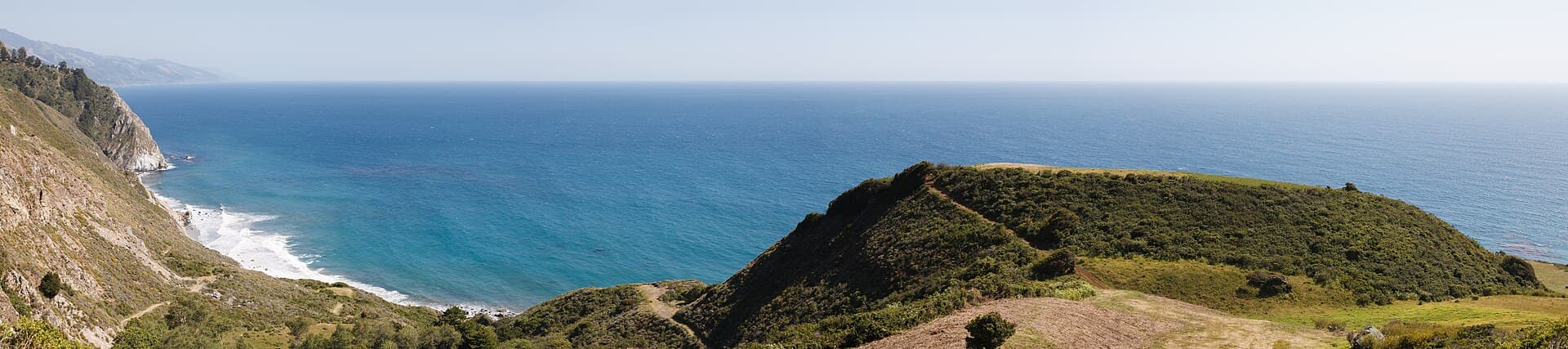
The Highway 1 Big Sur version
US-101 south to Highway 1 through Big Sur, overnight in San Luis Obispo or Cambria, finish to LA next day.
Adds hours and hotel cost; delivers the California postcard drive. Read our Big Sur guide before you promise McWay Falls to tired relatives.
- →Reins Deli, SLO — 30 min
- →Bixby Bridge or McWay Falls — 20 to 40 min
- →Cambria or SLO overnight
The split: fast down, scenic back
I-5 south on day one when time matters. 101 and partial Highway 1 north on day two when photos matter.
Works for couples and friend groups who can tolerate different priorities on different days.
- →Day one: Kettleman City reset — 30 min
- →Day two: Santa Barbara lunch — 45 min
Stops worth knowing
Real places along the corridor. Hours change; always check before you detour.
Reins Deli
Japanese-style deli with tri-tip sandwiches and a pastry case that ruins sensible lunch timing.
- →Tri-tip sandwich
- →Soft-serve mix-ins
- →Easy off 101
Pea Soup Andersen's
Split-the-drive classic north of Santa Barbara. Touristy and still useful when someone needs familiar food.
Gorda on Highway 1
Last remote fuel before long coastal gaps. Prices reflect the monopoly. Fill up before you need it.
Philippe the Original
French dip institution if you arrive downtown with appetite and patience for lines.
Monterey Park dining corridor
Many Bay Area families treat SGV dinner as the actual destination. Parking is the boss fight.
- →Late-night options
- →Multigenerational seating
- →Better than airport food by miles
EV reality on SF to LA
Treat I-5 as three charging zones: Bay Area to Central Valley (leave home or work at 80 to 90% if you can), Central Valley reset (Harris Ranch, Kettleman City, or Coalinga-area sites), and Grapevine climb into LA (top off at Tejon-adjacent Superchargers if your arrival neighborhood is far across the basin). The Kettleman City cluster is the anchor most EV drivers plan lunch around — dozens of Tesla stalls plus other networks within a few exits.
Charge to 80 to 90% in Kettleman or Harris Ranch, not 100%, unless you have time to burn. Summer heat at 75 mph with AC can trim 15 to 25 percent of usable range on some packs. Do not enter the Grapevine below 30% if LA traffic looks red on the map.
Highway 1 through Big Sur is scenic EV hard mode — roughly 90 miles with almost no fast charging between Carmel and San Simeon. Charge at Del Monte Center Monterey or in Paso Robles / SLO before you commit. Our LA to Big Sur guide lists specific stall counts and the Ventana backup charger. Gas drivers: fill in Cambria or Carmel before the remote stretch; Gorda exists but charges accordingly.
Run the numbers before you leave
Compare EV charging stops, gas fill-ups, and total trip cost for your actual SF to LA route. A beautiful drive feels less beautiful when the fuel bill was a surprise.
The bottom line
The best SF to LA trip depends on who is in the car, what you drive, and whether Sunday night traffic is already making everyone tense.
Match the route to the cast, not the Instagram highlight reel. Parents need bathrooms. Couples need pacing. Move-in weekends need I-5. Coastal converts need an overnight and Caltrans luck.
Pick your version, book one good meal, charge or fill before the remote stretch, and leave one viewpoint for the next trip. California will still be there. Your passengers might not be if you overdo it.