
Toyota Expands Classic Car Restoration and Discontinued Parts Program
Toyota is reviving discontinued parts for eight models and restoring one classic annually, starting with a 1973-era Celica Liftback rebuilt by factory workers.
What happened
Asia News Network reported in April 2025 that Toyota Motor Corp. is expanding efforts to restore classic cars and restart sales of discontinued parts, aiming to preserve techniques for the next generation while meeting enthusiast demand. Toyota has been bringing parts for popular sports cars back into production since 2020, with 294 parts now available across eight models.
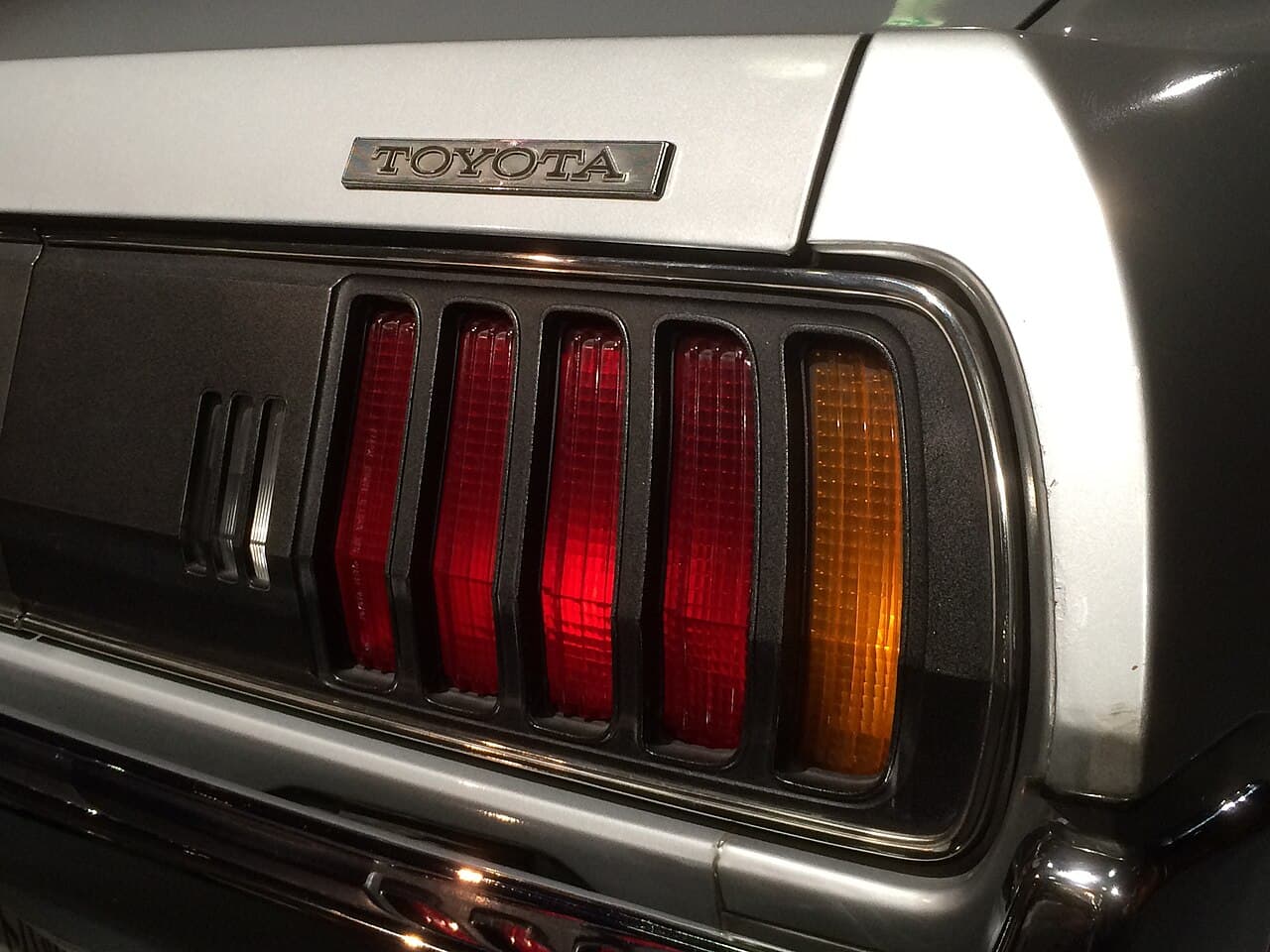
The company aims to restore one vehicle annually. In 2024, workers selected from Toyota factories restored a Celica Liftback, a model that debuted in 1973, with about 30 staff involved in the project. Toyota is also strengthening events for car enthusiasts as part of the push.
Yasuhiro Sakakibara, head of the company's Automobile Culture Showroom, said Toyota hopes to develop the program through human resource development and by passing know-how to future generations to fulfill the expectations of car lovers.
The Eastward Take
OEM support for old iron is rare, and Toyota treating heritage restoration as a factory program rather than a fan-club side project matters to anyone who grew up idolizing Celicas and Supras.
For Asian American and Asian Canadian enthusiasts who learned car culture through Toyota nameplates before Lexus was a separate conversation, 294 revived parts across eight models is practical news, not museum fluff.
It means a rusted quarter panel or discontinued trim piece might actually exist again, which changes the math on keeping a first car instead of scrapping it.
The one-car-per-year restoration target and the 2024 Celica Liftback project also signal that Toyota is investing shop-floor time, not just catalog entries.
Thirty workers pulled from factories suggests real skill transfer, which aligns with Sakakibara's stated goal of passing know-how forward.
That resonates in households where a parent taught tuning basics in a driveway and a kid now wonders whether those skills still have a path inside a corporate automaker.
Events for enthusiasts round out the story.
Heritage programs only work if people can see the results, touch the parts, and meet the craftspeople.
If you follow Hyundai and Kia's performance push in North America, Toyota's classic effort is a different lane: preserving what already built the brand's credibility rather than chasing the next EV headline.
For used-market shoppers, it is worth watching whether revived parts ripple into resale values for the eight supported models.
Restoration demand and OEM supply moving in the same direction usually helps owners who planned to drive, not collect.
Source
This note summarizes reporting from Asia News Network. Read the original for full details.