
Inside South Korea's Underground Car Scene, Where Enthusiasm Meets Strict Rules
Road & Track's reporting on late-night meets, dawn Cars & Coffee gatherings, and track days shows how Korean enthusiasts keep car culture alive under tight laws and dash-cam scrutiny.
What happened
Road & Track reported in May 2020 on South Korea's car enthusiast underground, where strict regulations, dash-cam culture, and expensive ownership make modified-car life difficult yet resilient. At a late-night meet about 45 minutes outside Seoul on a January Friday, police arrived early and recorded license plates while more than 300 modified vehicles filled a borrowed parking lot and spilled onto auxiliary areas and service roads.
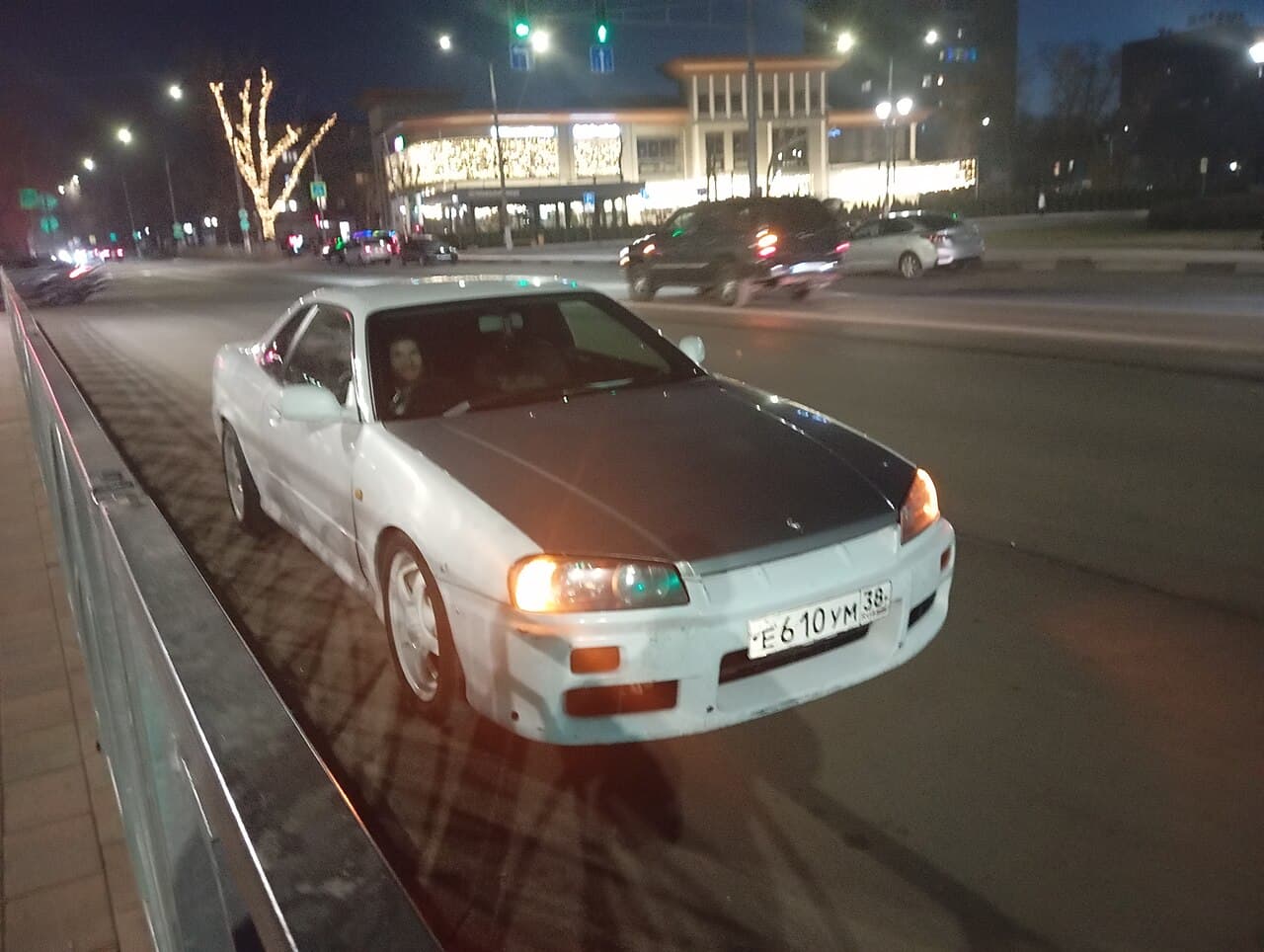
Attendees brought imported Supras, Skylines, and Fairlady Zs, alongside U.S. Army Hellcats and air-cooled Porsches. Promoter Ryo, co-founder of streetwear label Peaches One Universe, helped draw the crowd, while D.K. Kim of the Car Scene Korea YouTube channel assisted the magazine's visit.
Road & Track described emissions rules that hold older cars to modern standards, costly insurance and fuel, separate manual-transmission licensing, and citizen reporting that can fine drivers from dash-cam footage alone. Hours later, Seoul Cars & Coffee drew roughly 300 cars at 6 a.m., an event organizer Minkook Kim called the largest cars-and-coffee gathering in Korean history at the time.
The reporting also highlighted legal track access at Inje Speedium, about two hours from Seoul, and tuning shops such as Seoul Tuners, where owner Do Won So noted that false modification reports carry no penalty for accusers.
The Eastward Take
Korea's scene reads like a stress test for every enthusiast who ever complained about California smog checks or HOA parking rules.
Road & Track's 2020 reporting still maps cleanly onto why Korean American drivers in the U.S. sometimes treat car meets as precious, almost private rituals.
When your homeland's roads punish standing out, you learn to show restraint in public and save the passion for garages, tracks, or dawn gatherings.
The contrast between a midnight lot meet surveilled by police and a 6 a.m. Cars & Coffee packing 300 cars is the whole story in two timestamps.
People will wake up cold, drive gray-market classics, and sign posters for strangers just to prove the culture exists.
That dedication should feel familiar to anyone from a family that crossed borders and kept hobbies alive anyway.
Peaches founder Ryo's read on conformity, that Korea pushes outliers back into line, adds context beyond horsepower lists.
Expensive German sedans speeding draw less social heat than loud, bright tuner cars, which mirrors unwritten class rules in American suburbs too.
For diaspora readers, the U.S. Army Hellcats at a Korean meet also underline how military postings spread car culture across Pacific routes.
You do not need to street race in Seoul to feel connected to this scene.
Track days at Inje Speedium and shops like Seoul Tuners show where the hobby survives legally, which is the more useful blueprint for enthusiasts who want to keep cars without losing licenses.
If Hyundai and Kia keep investing in performance here in North America, Korea's underground persistence is part of why that credibility lands globally.
Source
This note summarizes reporting from Road & Track. Read the original for full details.