
The Pacific Northwest Has Some of the Most Special Car Culture in the Country
Road & Track argues Oregon and Washington offer rally roots, grassroots tracks, and forest roads that rival California hype—and is hosting its first Northwest Shift Rally there in June.
What happened
Road & Track published a feature on January 26, 2026 highlighting car culture in Oregon and Washington, arguing the Pacific Northwest rivals California as an automotive destination.
The piece points to Portland International Raceway, opened in 1962, as a long-running hub for IndyCar, Formula E, NASCAR Xfinity, and American Rally Association events, while still hosting road racing, drag racing, and motocross for local enthusiasts.
Editor Emmet White notes historic driving roads such as Oregon's Columbia River Highway, the country's first scenic highway, and Maryhill Loops Road, paved early by engineer Sam Hill through the Washington State Good Roads Association he founded in 1899.
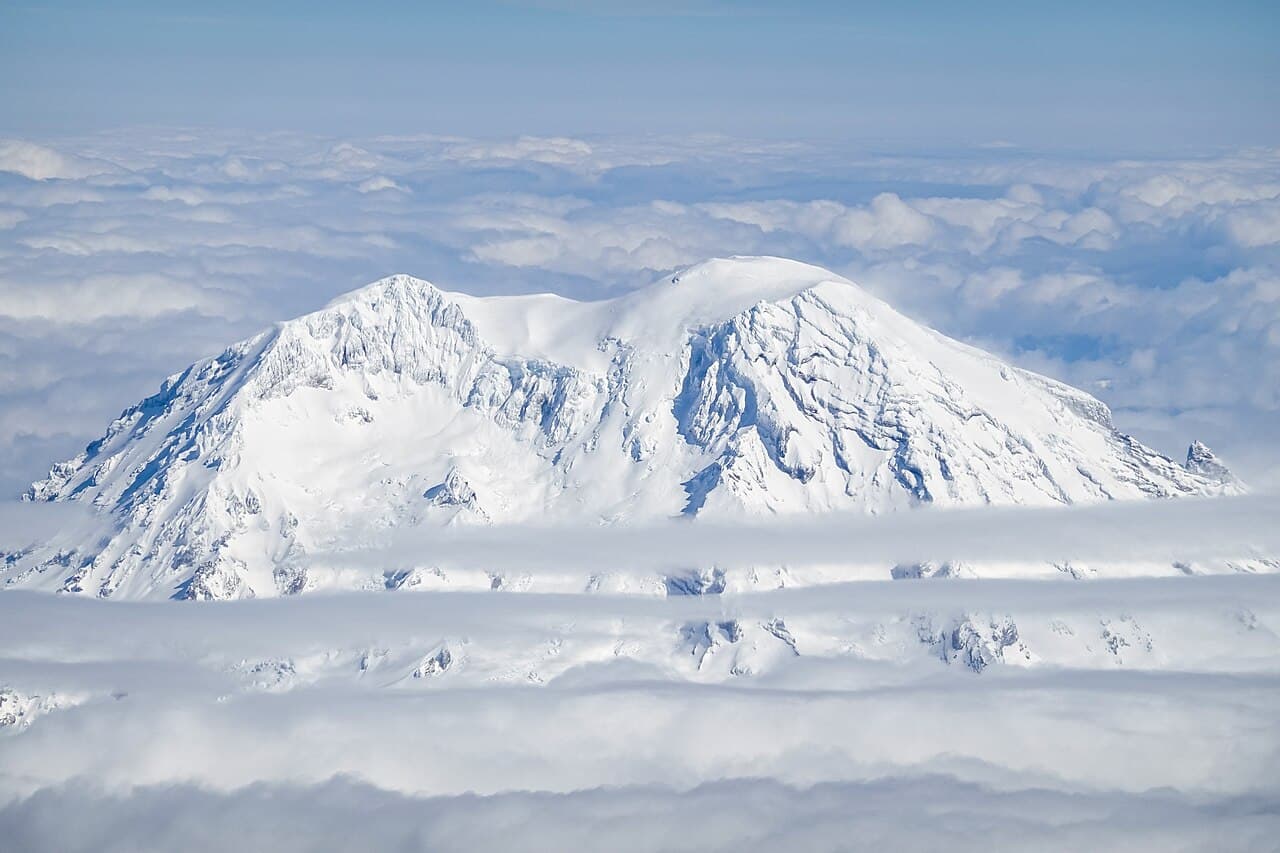
The magazine is running its first Northwest Shift Rally from June 10–13, 2026, starting with SCCA autocross at PIR before heading toward Mount Rainier on tree-lined backroads.
The itinerary includes a day at DirtFish Rally School in Washington, which trains drivers in Subaru WRX and BRZ fleet vehicles on the region's gravel and logging roads.
Additional stops mentioned include LeMay America's Car Museum and Woodinville wine country.
The Eastward Take
California gets the magazine covers, but the Pacific Northwest is where car culture feels like weather: damp, patient, and deeply local.
If you grew up in Bellevue, Beaverton, or Richmond, B.C., you already know the stereotype. NorCal owns the myth. PNW owns the workaround.
Rain does not kill enthusiasm here. It filters it.
The people who stay are the ones who learned to love gravel spray, early-morning track days, and a trunk full of towels.
Road & Track's Northwest Shift Rally is really an admission that the I-5 corridor north of Sacramento has its own automotive grammar.
Portland International Raceway is the perfect example.
It is not Monterey glamour.
It is a hometown track where you can watch pro series on one weekend and autocross your daily the next.
That accessibility matters to Asian North American enthusiasts who did not inherit country-club racing budgets but still want a place to learn speed safely.
The Columbia River Highway and Maryhill Loops story is even more important than the event listing.
These roads exist because someone decided driving itself was worth building infrastructure for.
Sam Hill paying to pave loops out of pocket is the most PNW energy possible: civic pride, stubborn engineering, and a belief that a good road is culture.
For diaspora families who road-trip to Hood River, Leavenworth, or Whistler, those routes are not background scenery.
They are the reason you bought the crossover with decent tires and better wipers.
DirtFish is the other half of the identity.
Rally is not a novelty here.
It is how you use public land responsibly, how you learn car control when traction disappears, and how a region with real winters keeps performance from becoming a fair-weather hobby.
If your parents immigrated from places where snow was normal, left-foot braking might feel familiar even if the Subaru WRX loaner does not.
Seattle and Vancouver add another layer: tech money meets immigrant practicality.
You will see a Porsche Cayenne at a Bellevue bubble-tea run and a twenty-year-old Camry at a Richmond night market, often parked in the same block.
Neither driver is performing for the other.
Both are solving different versions of the same regional problem: distances are long, weather is real, and family obligations do not care about your enthusiast aesthetic.
PIR autocross on day one of the Northwest Shift Rally is a useful symbol.
It says you can learn performance without pretending you are a professional.
Maryhill and the Columbia River Gorge are where Instagram road-trip culture meets actual engineering history.
Asian North American families use those routes constantly: Portland to Hood River, Seattle to Leavenworth, Vancouver to Whistler with chains in the trunk just in case.
DirtFish day teaches why so many PNW households own AWD crossovers even when they never rally.
They want the margin.
LeMay museum and Woodinville wine stops remind you the region also enjoys polished car history and adult weekend pacing.
Not everyone wants to slide a WRX.
Some people want a beautiful drive and a good meal at the end.
PNW culture holds both without forcing you to choose a tribe.
The rally itinerary also names something California enthusiasts sometimes forget: forest roads are infrastructure here, not props.
Logging roads and fire routes are part of how people actually move through Oregon and Washington on weekends.
That changes what \"capable\" means when you shop.
Ground clearance is not a flex.
It is a weather report.
All-wheel drive is not always about snow in Seattle.
Sometimes it is about wet leaves on a two-lane outside Enumclaw at dusk when your aunt is in the back seat and nobody wants to turn around.
Road & Track framing the PNW as distinct from California is not a rivalry pitch.
It is a geography lesson.
California car culture often assumes sun, wide freeways, and a showroom culture that treats the car as fashion.
PNW car culture assumes compromise: you might daily a sedan or crossover, but you still want to know where the nearest gravel turn-in is when summer finally arrives.
For younger Asian North American drivers in the region, that compromise can feel like a personality test.
Do you buy what your parents trust for reliability?
Do you buy what your friends respect for taste?
Or do you buy what the roads actually demand?
Often the answer is a used Subaru, a Toyota RAV4 with winter tires, or a Honda with a roof box that never comes off from October to April.
The enthusiast fringe is real too.
Portland and Seattle both have import scenes, track-day regulars, and car meets that survive rain because the community is stubborn.
PIR hosting Formula E and IndyCar is not accidental.
The region respects motorsport as craft, not only as spectacle.
That is why a magazine rally starting with autocross instead of a black-tie gala feels correct.
You earn the backroads by learning car control somewhere safe first.
If you are reading this from SoCal and wondering whether the PNW hype is real, skip the abstract debate.
Look at your own family travel patterns.
If your cousins in Bellevue send photos from Snoqualmie Pass every winter while you complain about Angeles Crest closures, you already know two climates create two car cultures.
The PNW is not better.
It is more honest about friction.
Friction makes better drivers and more practical garages.
The Eastward read is simple.
Do not let SoCal define your automotive self-image if your life runs through Seattle traffic, Vancouver strata parking, and weekend escapes to mountains that actually get snow.
The best PNW car is not the one that wins Instagram.
It is the one that survives a wet Tuesday commute, a gravel pullout, and a family argument about whether chains were necessary.
Road & Track is selling a rally.
We are pointing at the culture that made a rally make sense in the first place.
If you live here, you already drive in a region where car enthusiasm had to earn its place against rain, zoning, and very practical parents.
That makes the culture special in a way horsepower charts never capture.
Plan one backroad morning this month.
Pick a car you actually own.
Bring coffee, not a camera crew.
Stop somewhere with a view and no gift shop.
Let a passenger choose the return route.
If the car feels good at forty miles an hour on wet pavement, you passed the only test that matters in this region.
The PNW will do the rest.
Source
This note summarizes reporting from Road & Track. Read the original for full details.