
Chinese Automakers Are Racing to Fill Canada's EV Quota
BYD, Geely, and Chery are hiring dealers and scouting storefronts as Canada opens a 49,000-unit window for Chinese-built EVs.
What happened
AutoNotion reported on May 6, 2026 that Chinese automakers are racing to fill Canada's 49,000-unit annual quota for Chinese-built EVs, with volume set to ramp to 70,000 by 2030. BYD is targeting up to 20 store openings across Canada in 2026 through local partners.
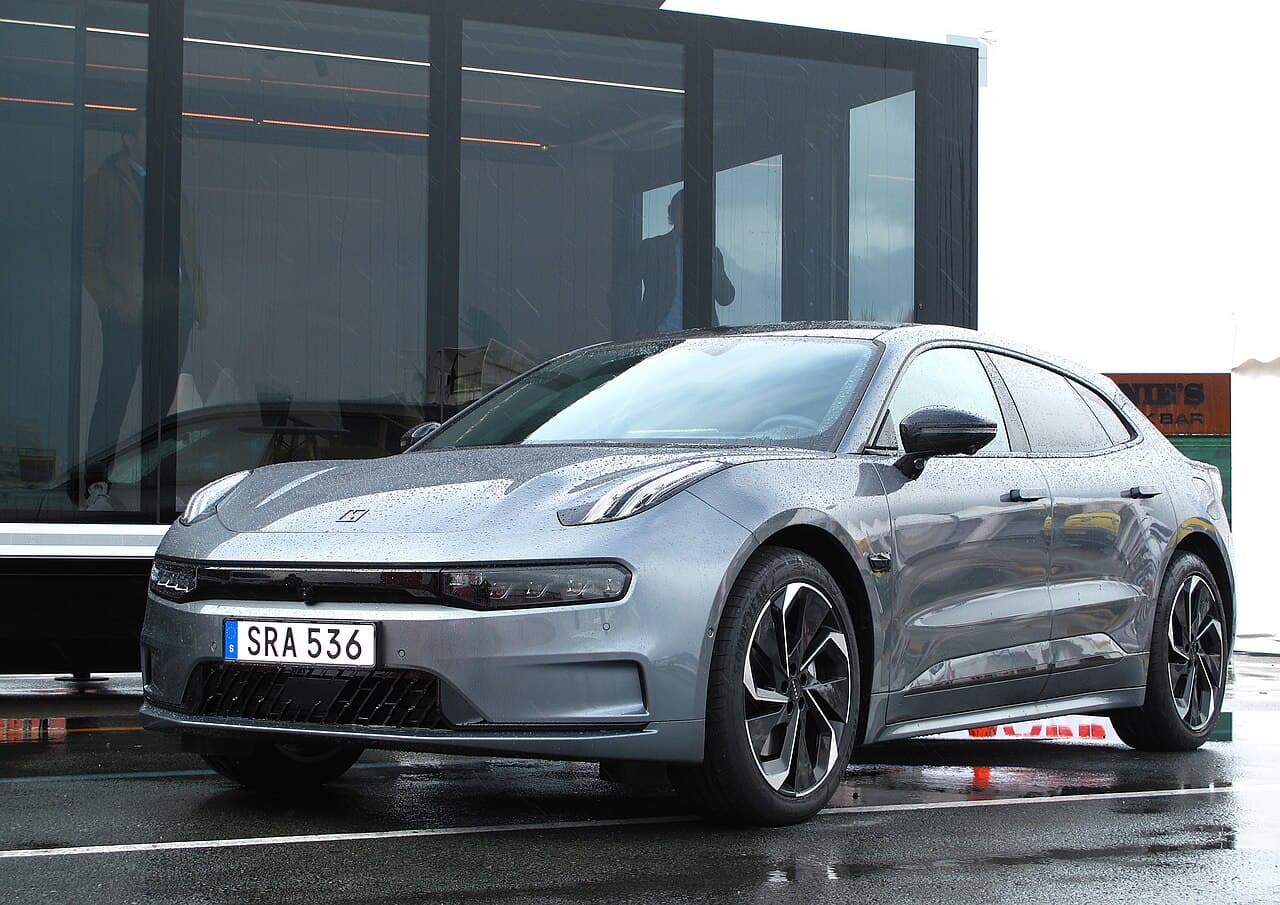
Geely's Zeekr brand is hiring senior sales and legal staff in Toronto to build its Canadian operation.
Chery sent Canadian dealers to the Beijing Auto Show to secure product and pricing agreements, while Jaecoo demonstration vehicles are running in the Toronto area under special import rules. A Transport Canada spokesperson confirmed that demo permits operate separately from the retail quota system, allowing brands to expose buyers to vehicles before full dealer launches.
The land grab reflects first-come permit mechanics: brands that establish dealer networks and import pipelines early stand to capture larger shares of the 24,500 half-year allocations before competitors catch up.
The Eastward Take
Speed is the entire story.
BYD planning 20 Canadian stores in 2026 is not a pilot program.
It is a land grab for quota slots, real estate, and brand awareness while US tariffs keep American showrooms closed to most Chinese EVs.
If you follow Chinese EV discourse in Toronto, Richmond, or Markham, the mix of excitement and skepticism is familiar: incredible tech and pricing on one side, service-network and politics questions on the other.
Zeekr hiring sales and legal staff in Toronto signals that Geely is building a proper Canadian corporate spine, not just dropping cars at the port.
Legal hires matter when import permits, tariff classifications, and dealer franchise law all intersect.
Chery sending Canadian dealers to Beijing is old-school relationship building applied to a new market window.
Jaecoo demos in Toronto under special import rules let shoppers kick tires before showrooms open, which is how you convert curious window shoppers into pre-order deposits.
The 49,000-to-70,000 ramp by 2030 tells you Ottawa expects this channel to grow, not stay a novelty.
Transport Canada's demo-permit clarity is a small but important detail: brands can market vehicles before retail quota units arrive, which compresses the timeline from announcement to test drive.
Canada gets to find out whether Chinese EV service and resale hold up, years before American buyers get the same choice.
For Chinese Canadian families who have been watching BYD and Zeekr online for half a decade, 2026 is the year the conversation moves from social media to the local strip mall.
The brands are not tip-toeing.
They are hiring, scouting storefronts, and burning permit slots while legacy automakers argue about tariffs and factory jobs.
Source
This note summarizes reporting from AutoNotion. Read the original for full details.