
Why SUVs and Crossovers Own California Roads
A San Gabriel Valley dealer blog sums up what freeways already show: California buyers choose crossovers for space, AWD, safety tech, and resale—even as hybrids and EVs join the mix.
What happened
iDeal Auto Sales of Rosemead published a May 19, 2025 blog post explaining why SUVs and crossovers dominate California roads, framing the body style as a lifestyle fit rather than a passing trend.
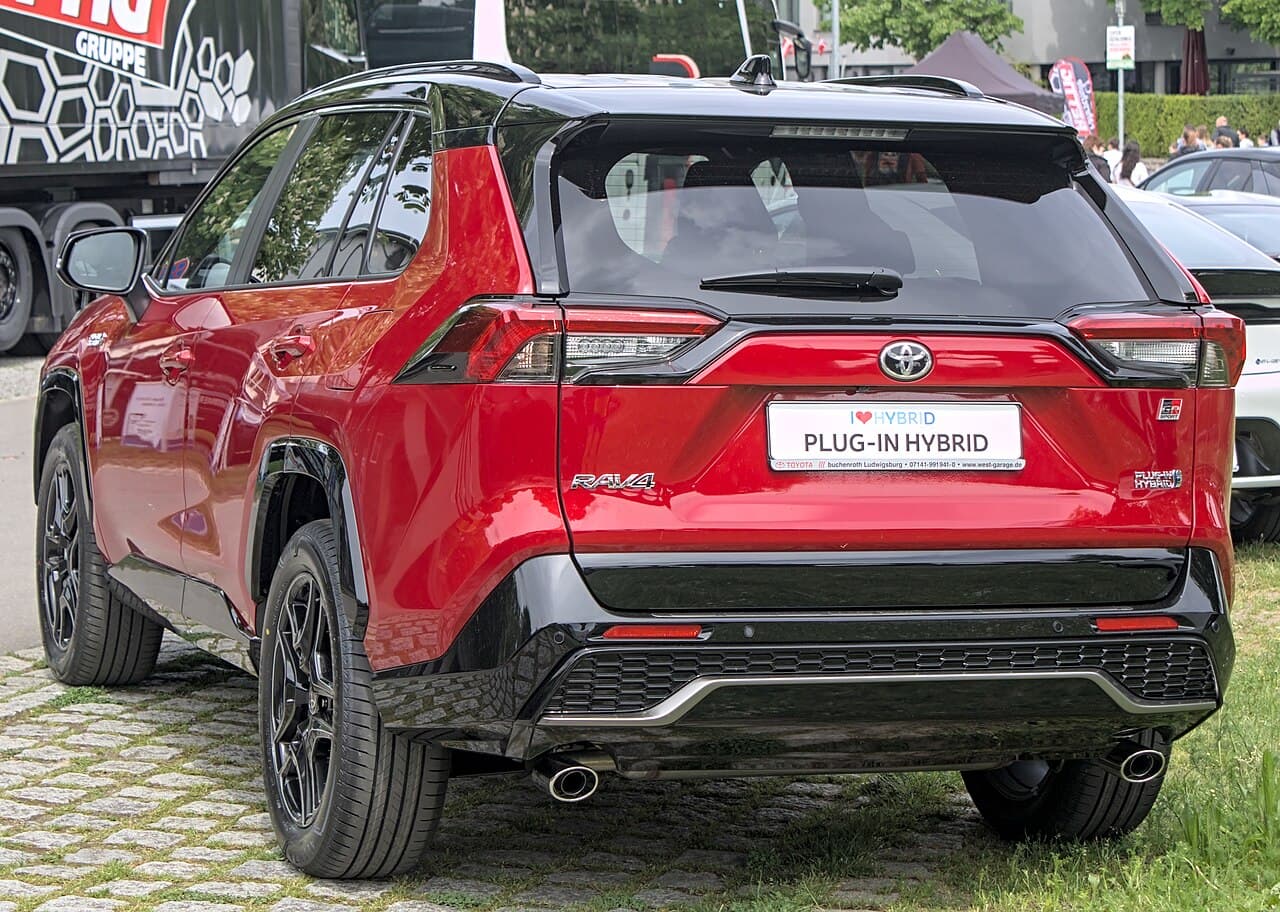
The post cites versatility for weekend trips, family use, and outdoor gear, naming models such as the Toyota RAV4, Honda CR-V, Subaru Outback, and Jeep Grand Cherokee as examples across different use cases.
It highlights all-wheel-drive and higher ground clearance for mountain routes such as Big Bear and Joshua Tree, plus driver-assistance features like blind-spot monitoring and adaptive cruise control for congested freeway driving.
The article notes improved fuel economy in newer SUVs, listing the Toyota RAV4 Hybrid at up to 40 mpg combined, the Honda CR-V Hybrid, and the Tesla Model Y as electrified options.
It also argues SUVs from brands such as Toyota, Honda, Subaru, and Lexus tend to hold value better than many sedans, which matters to buyers planning to trade within a few years.
The Eastward Take
You do not need a dealer blog to tell you SUVs run California.
You need only stand in a Rosemead parking lot, an Irvine Costco aisle, or the LAX arrivals curb for ten minutes.
Still, there is value in naming why the body style won.
California driving is not one thing.
It is a stacked set of tests: freeway lane changes, mountain grades, tight urban parking, heat-soaked interiors, and family cargo that expands without warning.
Sedans fail softly at one of those jobs.
Crossovers fail loudly at none of them, even when they are not exciting.
That is the whole secret.
The iDeal post reads promotional because it is.
Read it anyway as market anthropology.
When a San Gabriel Valley lot explains why customers choose RAV4s and CR-Vs, it is describing the same household math we hear from readers in Alhambra, Arcadia, and East LA.
You need space for parents and kids, but you do not want a minivan confession.
You need efficiency, but you also need to feel safe merging in front of a speeding pickup.
You need a car that will not embarrass you at a wedding valet and will not punish you at the gas pump.
AWD is not always about snow in SoCal.
It is about confidence on wet canyon roads, gravel pullouts, and the psychological comfort of knowing you can leave town when fires or floods rearrange the map.
For many Asian American families, that confidence is part of the purchase conversation even when nobody says \"adventure\" out loud.
Safety tech is the other quiet driver.
Parents who distrust flashy EV startups still understand blind-spot monitoring.
Grandparents may not care about zero-to-sixty, but they notice a smoother ride on the way to dim sum.
The post's hybrid and Model Y examples matter because California is not choosing gas SUVs in 2026 the way it did in 2016.
The silhouette stayed.
The powertrain diversified.
That is why our family guide keeps returning to three-row hybrids and efficient crossovers instead of preaching sedans out of nostalgia.
Resale talk is where dealer blogs and immigrant household logic align perfectly.
If you might send money abroad, help a cousin with tuition, or upgrade when a kid finishes school, you want a car that exits cleanly.
Toyota and Lexus reputation is not romance.
It is liquidity.
San Gabriel Valley geography makes the SUV case even stronger.
You link Alhambra to Irvine, Rosemead to Disneyland parking structures, and Arcadia to mountain day trips in one weekend.
The 626 and eastside communities run on cross-county family visits.
A sedan can do it.
A crossover reduces the negotiation about what fits.
Heat is the underrated California SUV argument.
Dark interiors in summer parking lots punish passengers.
Families carrying kids and elders think about HVAC reach and how fast the cabin cools.
Electrified options change the calculation without changing the silhouette.
A RAV4 Hybrid or Model Y still reads as sensible in the same social language.
California incentives and HOV history also nudge buyers toward electrified crossovers even when home charging is imperfect.
The Rosemead dealer post is generic because it is meant to apply across SoCal suburbs with swapped city names.
That generic quality is the point.
California converged on one body style for mainstream family life.
You can disagree with the crossover takeover on enthusiast grounds.
Plenty of us miss smaller, lighter cars.
But calling it a fad at this point is denial.
California roads look the way they do because the state rewards one shape with daily convenience.
The Eastward move is not to pretend every buyer needs an SUV.
It is to evaluate the category honestly if you already live inside it.
Buy the smallest crossover that passes your real tests: airport pickup, Costco, parking structure height, monthly payment after insurance.
Do not upsize for imaginary camping if your life is school runs and freeway commutes.
And if a sedan or hybrid hatch fits those tests better, take the win.
California will still let you merge.
Parking structure height is not a joke in dense Asian American suburbs.
Older garages in Monterey Park, Daly City, or Garden Grove turn tall SUVs into daily stress.
Measure before you buy.
Roof rails and bike racks add inches that matter.
Family buyers learn this after the fact more often than they admit.
Cargo height matters too.
Costco flat packs, stroller frames, and rice cookers for potlucks all prefer a wide opening and a low load floor.
Crossovers won partly because they feel like a sedan from the driver's seat but behave like a wagon when the seats fold.
Minivans still win on pure utility.
Crossovers win on social translation.
You can arrive at a wedding in a CR-V without explaining your life choices.
That sounds shallow until you have been the first cousin to buy a minivan and felt the commentary.
Status is not everything.
But it is not nothing in communities where the driveway is a shared document.
Hybrid and plug-in timing adds another layer.
A RAV4 Hybrid may cost more upfront but changes the fuel conversation for long commutes from the Inland Empire into LA.
A Model Y changes the conversation again if you have home charging.
The SUV shape lets families swap powertrains without swapping identity.
That flexibility is why dealer blogs still write the same article every year with new MPG figures.
Insurance and theft trends also push buyers toward common models.
A mainstream crossover is not only easier to insure.
It is easier to repair after a fender bender in a crowded parking lot.
When your household depends on one car for work, school, and elder care, downtime is the hidden payment.
Toyota and Honda ubiquity is a feature, not a bug.
If you are cross-shopping sedans against crossovers, run the tests honestly.
Do a mock airport pickup with real luggage.
Do a Costco run on a Saturday.
Try your steepest driveway after rain.
Check insurance with the VIN, not a generic quote.
The crossover won the market because it forgives real life.
Your job is to make it forgive yours without overpaying for ground clearance you never use.
If a compact sedan passes every test, celebrate the savings.
If you need the crossover, buy smart: trim for features you use, not packages that flatter the salesperson.
California will keep filling freeways with RAV4s and Model Ys because the state asks cars to do everything at once.
Understanding why is how you stop feeling surprised by your own shopping list.
Source
This note summarizes reporting from iDeal Auto Sales Rosemead. Read the original for full details.