
Fast EV Bargains That Undercut the Ferrari Hype
Ferrari's electric Luce may grab headlines at half a million pounds, but the used market is full of quick EVs at a fraction of the price.
What happened
Top Gear published a piece contrasting Ferrari's upcoming electric Luce flagship with bargain performance EVs that deliver similar acceleration at a fraction of the price. The Luce is described as a quad-motor design with roughly 1,050 horsepower, a claimed 2.5-second 0-62 mph time, and pricing from around £474,000, with exterior design credited to LoveFrom.
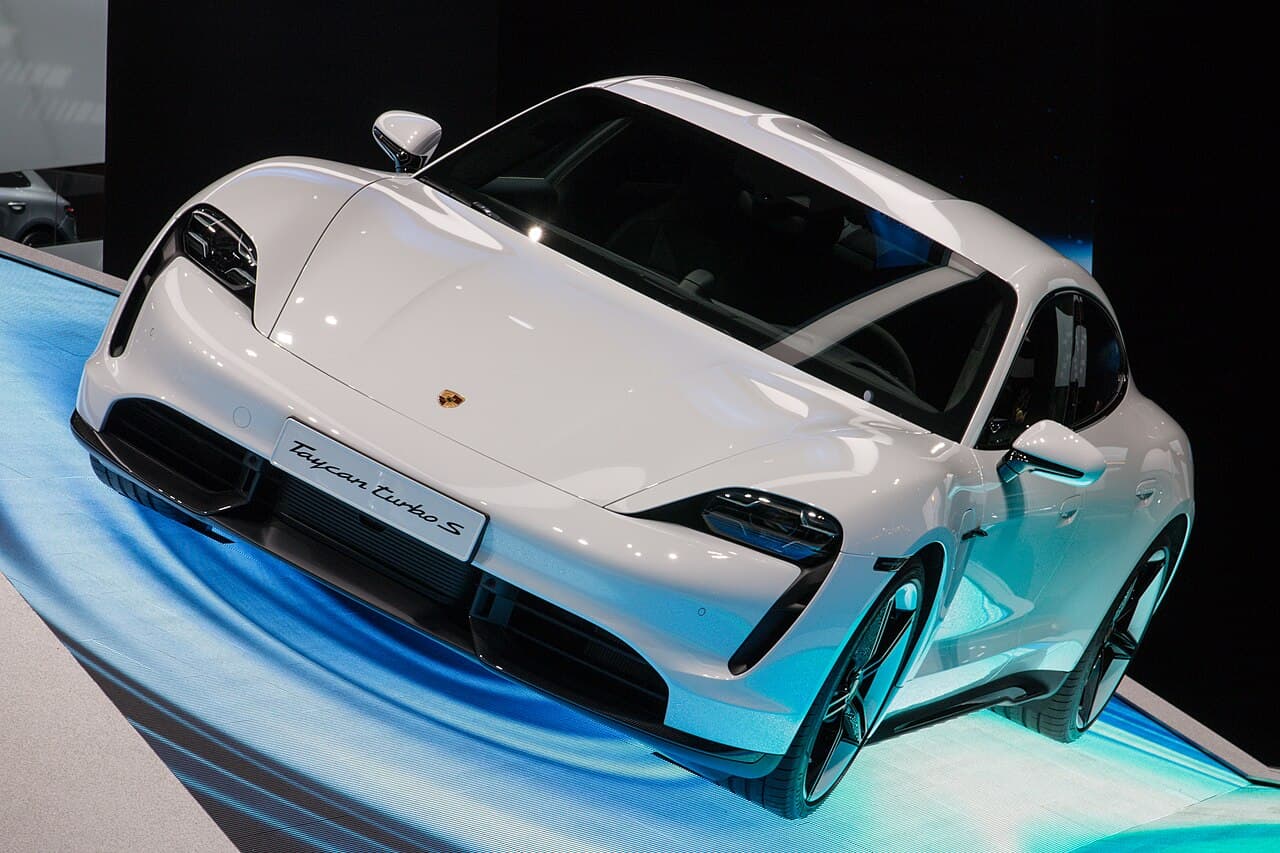
Against that halo car, Top Gear cites the Hyundai Ioniq 5 N, Kia EV6 GT, Porsche Taycan Turbo S, Polestar 2 Performance Pack, and Ford Mustang Mach-E GT as alternatives that already reach 0-62 mph in the low three-second range. The reporting notes that used Taycans can be purchased for a fraction of their new price, and puts the Ioniq 5 N at roughly $66,000 US against a Taycan 4S at about $126,000 US.
The through-line is that several production and near-production EVs already sit in the same acceleration neighborhood as a half-million-pound Ferrari, without requiring a bespoke order sheet or a seven-figure garage budget.
The Eastward Take
This is the fun part of EV shopping right now: the performance gap between a six-figure halo car and a used hot hatch on batteries keeps shrinking.
Ferrari's Luce will get the magazine covers and the LoveFrom design essays, but you do not need to care about Maranello's electric debut to enjoy low three-second acceleration on a Costco run.
For buyers in suburban AAPI communities who grew up treating a quick sedan as a quiet status signal, the real conversation is not Ferrari at £474,000.
It is whether a Taycan Turbo S, Ioniq 5 N, or EV6 GT at used or discounted prices delivers the same bragging rights at the dinner table without the lease-payment panic.
A $66,000 Ioniq 5 N against a $126,000 Taycan 4S is the kind of math that resonates in households where the car is practical transport first and flex second.
Depreciation on first-wave luxury EVs has been brutal, which hurts early adopters but opens a lane for patient shoppers who care about speed more than badge freshness.
Korean brands like Hyundai and Kia now sit in the same performance conversation as Porsche and Polestar, which would have sounded absurd a decade ago.
That shift matters for younger Asian American and Canadian drivers who want something fast and modern without inheriting the maintenance anxiety of a used German sports sedan.
The Ferrari contrast is useful precisely because it is exaggerated.
Nobody cross-shopping a Mach-E GT is secretly saving up for a Luce.
But the comparison makes the bargain tier feel legitimate: these are not economy cars with a sport button.
They are production EVs with supercar-adjacent launch numbers, and the used market is where the value proposition gets honest.
Source
This note summarizes reporting from Top Gear. Read the original for full details.