
Federal 30C EV Charger Tax Credit Expires June 30
The 30C Alternative Fuel Infrastructure Tax Credit covers up to 30 percent of home EV charger installation, capped at $1,000, but only for eligible census tracts and only if equipment is installed by June 30, 2026.
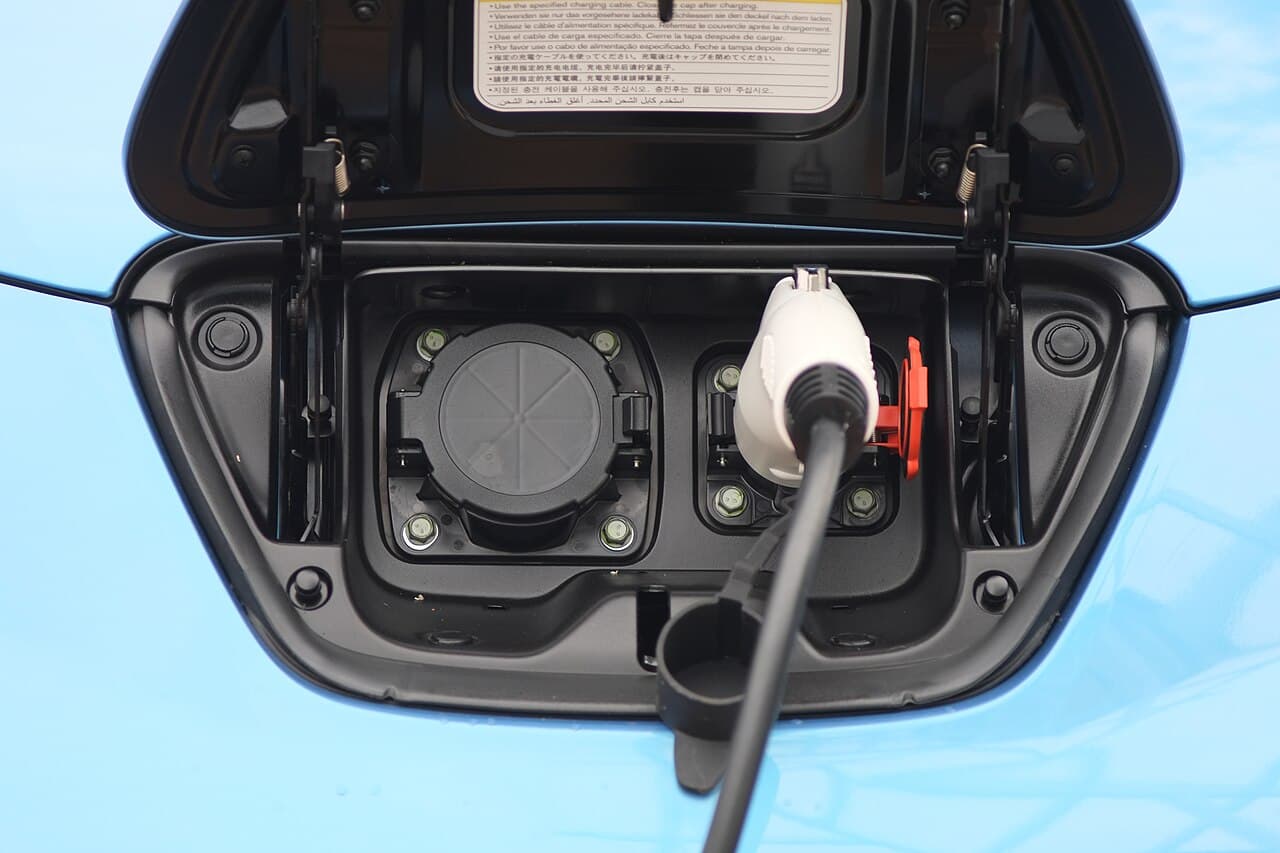
WASHINGTON — If you have been meaning to install a Level 2 charger at home, the calendar just became the story.
The federal 30C Alternative Fuel Infrastructure Tax Credit, often called the EV charger tax credit, expires June 30, 2026. Rewiring America, which tracks electrification incentives, notes that eligible homeowners in qualifying low-income or non-urban census tracts can claim up to 30 percent of installation costs, capped at $1,000, when they purchase new charging equipment and complete installation at a primary U.S. residence by that deadline.
This is not a universal coupon. Location matters first. You must confirm tract eligibility before you buy hardware, then keep receipts and file IRS Form 8911 with the federal return for the year the charger was installed.
For suburban Asian American and Asian Canadian households weighing an EV against a hybrid, the credit is one of the few federal lines that directly rewards driveway infrastructure instead of the car itself. That matters when the real blocker is not range on paper but whether you can charge overnight without fighting a shared garage.
The timing also collides with summer travel season and end-of-quarter contractor schedules. Electricians book up. Permits slow down. Condo boards still debate charger bylaws in July even when the tax credit does not wait.
If you rent or street-park, 30C will not fix your situation. Our condo EV guide still applies. If you own a house in an eligible tract and already planned a charger, treat June 30 as a hard stop, not a suggestion.
Pair this deadline with our BUILD America fee note and NEVI funding fights from this week. Washington is arguing about who pays for roads while a practical home-charging incentive quietly sunsets.
Run affordability math on the car and the installation together. A $1,000 credit does not justify a charger you cannot use. It can make a sensible home setup cheaper if you were already going to wire the garage before winter.
Source
This note summarizes reporting from Rewiring America. Read the original for full details.