
Model 3 vs BMW i4 vs Polestar 2: Premium EV Sedans
Three electric sedans for households ready to charge at home — network, driving feel, and build quality trade differently.
Quick answer
- Lean Tesla Model 3 when
- Supercharger road-trip simplicity and lowest entry EV payment matter — and your household accepts Tesla service model.
- Lean BMW i4 when
- Driving feel, traditional dealer service, and BMW familiarity outweigh maximum charging network breadth.
- Lean Polestar 2 when
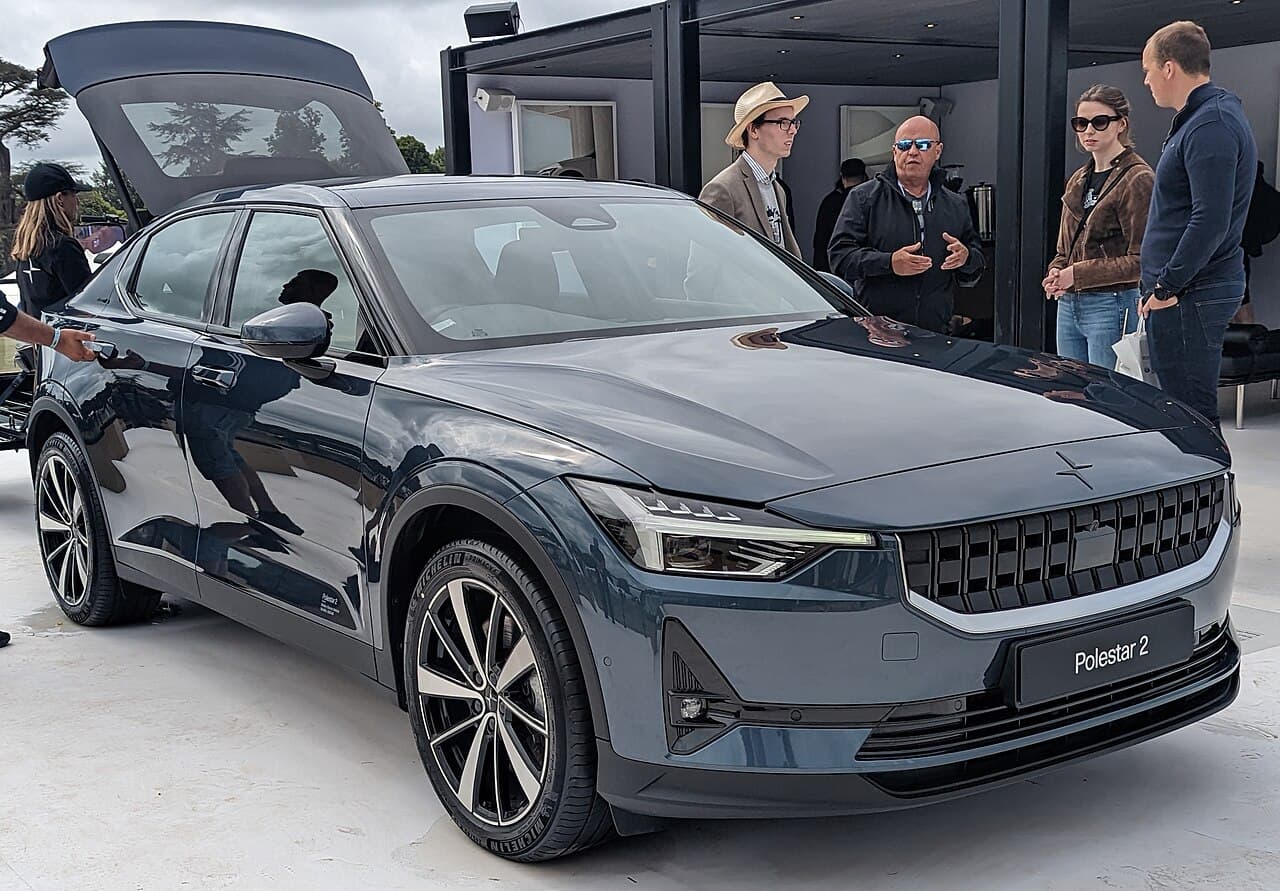
- Design, lease value, and Google-based infotainment appeal — and CCS fast charging covers your road-trip corridors.
You are comparing sensible defaults, not mistakes
Premium EV sedans make sense only when charging where you park is solved. Without Level 2 at home or work, this comparison is premature — read our condo EV guide first.
Model 3, i4, and Polestar 2 all deliver 250+ miles EPA range depending on trim. Daily commuting at the U.S. average of about 27.2 minutes one-way uses a fraction of that — payment and insurance dominate total cost more than range anxiety.
Tesla wins U.S. fast-charging convenience. BMW wins steering feel. Polestar wins design-conscious buyers who want something other than a white Model 3 in every office garage.
EV resale remains volatile. Lease if you want to avoid depreciation guesswork; buy if you plan to keep six to eight years and can accept uncertainty.
Five tests for this comparison
Run these on the trim you will actually buy — not the base model on the website.
Test 1
The Home Charging Test
Confirm Level 2 before you test-drive. Model 3, i4, and Polestar 2 all assume overnight charging — public-only drivers should reconsider.
Test 2
The Road Trip Test
Route your quarterly family drive on each brand's fast-charge network. Model 3 Supercharger density is hard to beat in the U.S.; i4 and Polestar rely on growing CCS coverage.
Test 3
The Insurance Test
Quote identical coverage on all three VINs. Tesla premiums can exceed i4 and Polestar by $100+ monthly in some metros — that erases fuel savings fast.
Test 4
The Driving Feel Test
i4 typically feels the most balanced on a twisty on-ramp. Model 3 Performance aside, standard Model 3 prioritizes efficiency. Polestar 2 sits between — drive your actual commute loop.
Test 5
The Household Approval Test
Bring skeptical relatives. BMW badge often calms cosigners. Tesla requires tolerance for minimalist interior and service model. Polestar needs introduction.
Quick decision tree
Answer honestly. There is no virtue in picking the louder choice.
Question 1
Do you road-trip beyond 300 miles monthly?
Yes
Model 3 Supercharger routing deserves priority — test i4 CCS on your exact route.
No
Daily range is sufficient on all three — weight payment and insurance.
Question 2
Will relatives veto Tesla?
Yes
Lead with BMW i4 — Polestar as design alternative.
No
Cross-shop all three with identical finance terms.
Question 3
Do you have home Level 2 confirmed?
Yes
Run hybrid vs EV monthly with your utility rate.
No
Pause — solve charging before buying any EV sedan.
At a glance
Broad strokes — verify current model-year specs, pricing, and inventory in your market.
| Category | Best for | Watch out for |
|---|---|---|
| Fast charging network | Tesla Model 3 — Supercharger density in the U.S. | Holiday congestion at popular Supercharger locations |
| Driving dynamics | BMW i4 — rear-drive balance and steering feel | Gran Coupe weight on rough city streets |
| Lease value | Polestar 2 — aggressive programs in many U.S. markets | Mileage caps if you commute 50+ miles daily |
| Infotainment familiarity | Polestar 2 — Google built-in for Android households | Tesla learning curve for drivers used to traditional dashboards |
What this comparison hides
- Tesla ownership still triggers family dinner debate in some households — BMW i4 often passes with less commentary.
- Polestar anonymity is either freedom or frustration depending on whether you wanted badge recognition.
- EV insurance can cost more than gas ever did — quote before you celebrate zero fuel spend.
EV vs gas monthly math
Home utility rate, weekly miles, and insurance — compare EV payment against the hybrid sedan you are leaving.
The bottom line
The right answer is the vehicle that passes your payment, passenger, and service tests — not the one that wins a comment section.
If relatives co-sign or veto, factor their service network and brand trust into the decision before you optimize specs.