
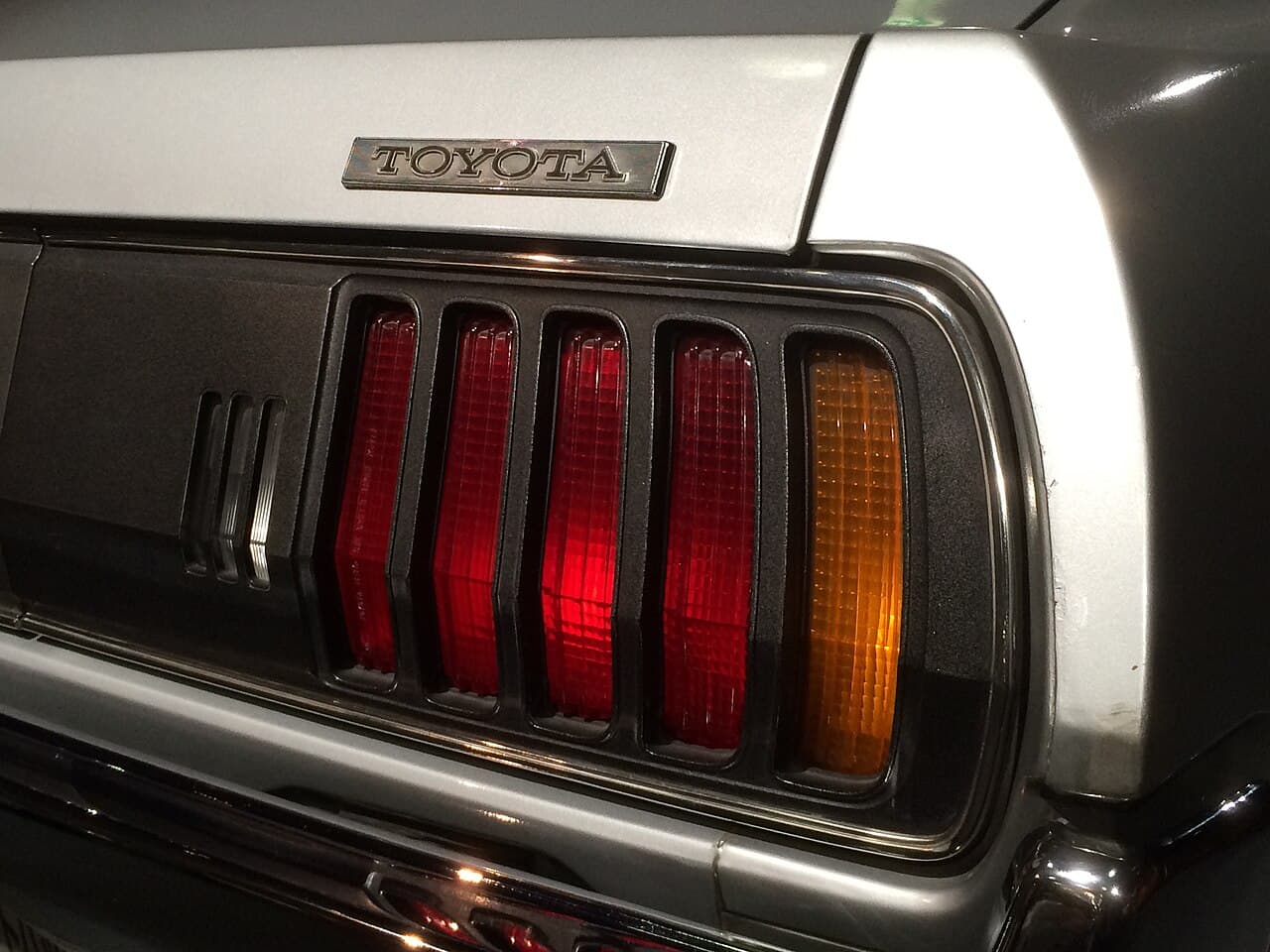
Toyota (brand context)
Toyota, Trust, and the Family Default
Toyota did not become the family default by accident. It became the answer that ends arguments. The Camry in the driveway is not just transportation. It is proof that you listened to your parents, your spreadsheet, and your future self at the same time.
Cultural relevance
In many Asian North American households, Toyota represents predictability you can explain to relatives. That matters when car purchases are semi-public events. The brand absorbs risk: service network familiarity, resale reputation, and the quiet social permission to buy something "safe."
The tradeoff is emotional. Younger buyers sometimes want design, tech, or status Toyota does not always deliver in the same package. Hence the rise of Lexus as the upgrade lane within the same trust ecosystem.
Best-fit audience
- ·First-time family car buyers seeking group-chat peace
- ·Households prioritizing long-term ownership cost over flash
- ·Buyers who want a brand name that needs no defense at dinner
Regional fit
Strongest in suburban corridors where reliability and resale dominate: SoCal, GTA, Texas, and Midwest commuter belts. Still powerful in NorCal and GVA even where EV curiosity runs higher.
Lifestyle use cases
- ·Airport pickups and multigenerational errands
- ·High-mileage commuting without drama
- ·Hand-me-down car culture within families
Road trip angle
Toyota family road trips are defined by low-stress logistics: fewer surprise stops, predictable fuel costs, and a car nobody fights over for the long leg. Not exciting. Extremely effective.
EV, hybrid, and tech angle
Toyota's hybrid lineup is often the compromise that keeps trust while lowering fuel anxiety. Full EV curiosity is growing, but hybrid still fits the brand's risk profile for many households.