
Rivian / Polestar (brand context)
Rivian and Polestar: EV-Adjacent Luxury Without the Brochure
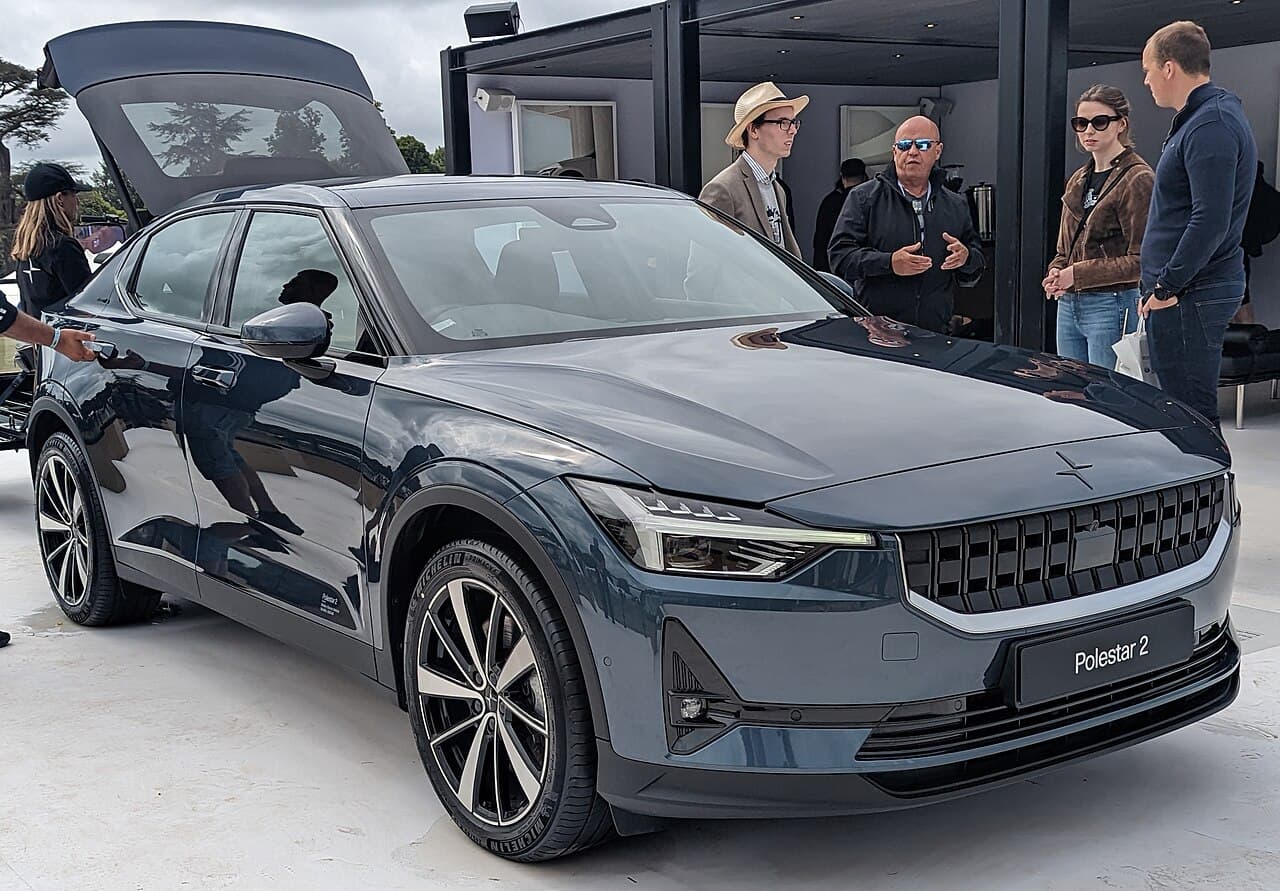
Rivian and Polestar sell to the same buyer on paper — tech-forward, design-literate, tired of the obvious EV answer — but they deliver different household contracts. Rivian is adventure hardware with a driveway presence. Polestar is Scandinavian restraint in a compact footprint. Both ask whether your charging life can support the story.
Cultural relevance
Asian North American professionals in Bay Area, Seattle, SoCal, and Toronto metros often cross-shop these brands when Tesla feels too loud socially or too polarizing at family dinner. Rivian R1S buyers want three-row utility without a traditional luxury badge. Polestar 2 and 3 buyers want premium EV without declaring it from across the parking lot.
The household conversation is rarely about kilowatts. It is about whether the charger works on Tuesday, whether the service center is three states away, and whether relatives will ask why you did not just get a Lexus hybrid.
Best-fit audience
- ·Homeowners with Level 2 who want EV without Tesla social baggage
- ·Design-forward households comparing German premium against electric newcomers
- ·Outdoor-oriented families considering R1S against luxury three-row hybrids
- ·Urban condo buyers eyeing Polestar 2 size against Ioniq 5 and Model 3
Regional fit
Strongest where charging density and EV curiosity overlap: California, Pacific Northwest, Northeast Acela corridor, and Canadian metros with condo charging momentum. Weaker fit for buyers relying on sparse public DC in rural Sun Belt corridors without home Level 2.
Lifestyle use cases
- ·Daily commute on home charging with weekend mountain or coast trips
- ·School pickup in a premium EV that does not read as flashy
- ·Households cross-shopping Rivian adventure branding against practical Lexus RX hybrid
- ·Second-car EV pairing with a gas SUV for parent airport runs
Road trip angle
Rivian road trips assume you mapped DC stops and carry patience for newer networks. Polestar road trips work best on corridors you have already tested — I-5, I-95, 401 — not improvised holiday routes. Both brands reward drivers who treat charging like flight planning.
EV, hybrid, and tech angle
Rivian's pack size and NACS adoption timeline matter for U.S. buyers comparing against Model Y and Lyriq. Polestar's Google-based UX and heat-pump efficiency matter for cold-climate commuters. Read our NACS vs CCS corridor guide and workplace charging guide before you let design win the argument.